Skip to content

The History of Woodhouse Farm

Woodhouse Farm and barns nestle in a sheltered valley on the outskirts of the ancient South Hams village of West Alvington.

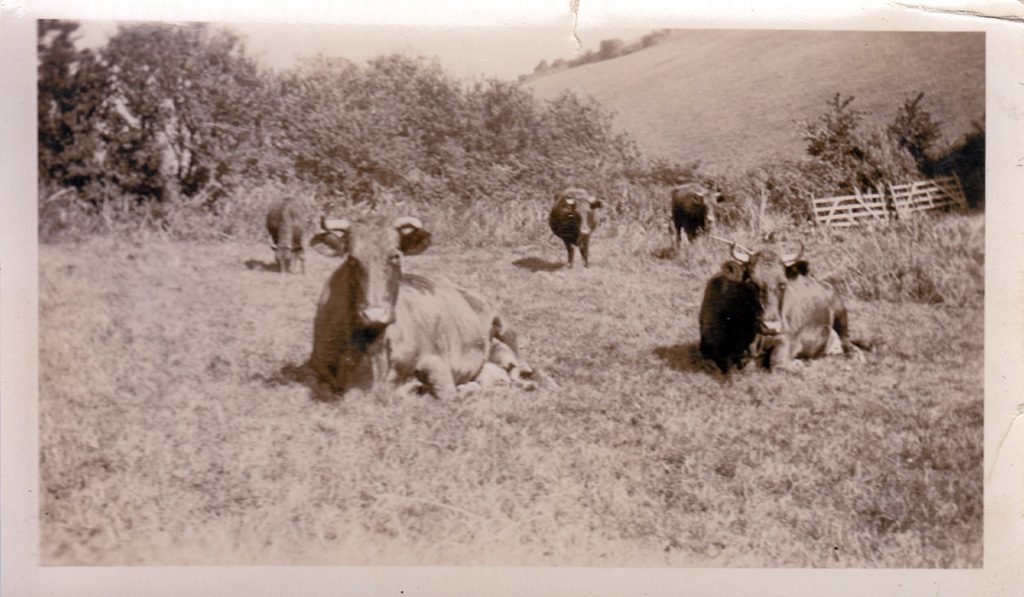
Woodhouse Farm History - Cows in field

The History of Woodhouse Farm

The earliest recorded mention of Woodhouse Farm (then the Manor of Wodehous) dates back to the first grant or deed in 1281. The following 250 years saw the estate expand and contract under various leases and grants until, in 1566, it fell into the hands of the Quarme family where it remained for the following nearly 200 years.

In 1820, the Manor and Jacket Wood passed to a Member of Parliament, Edmund Bastard, but they were subsequently sold in 1848 to an Arthur Hingston in settlement of debts. At some earlier point there had been a fire and Arthur Hingston is credited with the subsequent renovation work and alterations carried out which are still in evidence today. The estate remained in the Hingston family until the late 1880s after which it changed hands a further five times before Fernley Horton acquired 70 acres and the farmhouse in 1929. His descendants still farm the land today.

We're a Working Farm

At the time of Fernley Horton’s acquisition in 1929, the dairy herd of the time was hand-milked into churns and the arable fields were ploughed by horses – no small feat considering the gradient of the land. But times have changed. Now, the farm has expanded to some 900 acres supporting a commercial suckler herd of South Devons which are fed on home-grown wheat and grass, and supplemented by minerals to keep them as happy and healthy as nature allows.

Guests should be aware that they are staying on a working farm and are asked not to pet the animals, keep dogs on leads outside the confines of the barn environs and remain on designated access paths and drives for the health and safety of all concerned.

Woodhouse Farm History - Cow being milked
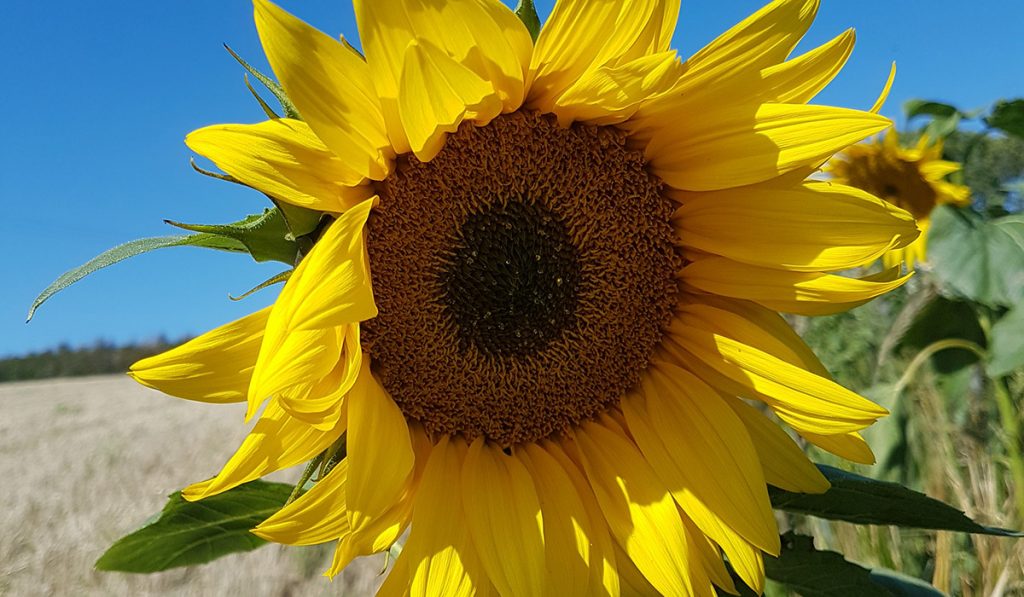
Woodhouse Farm Sunflower

Working with the Environment

Whilst current practices are naturally supportive of native flora and fauna, Woodhouse Farm has embra​ced the drive towards extending wildlife and wildflower margins to encourage diversity and sustainability. Hedges are left casual except where maintenance is required for road visibility, and the Farm is currently collaborating with the RSPB to support a wider estuary planting scheme to encourage wild bunting population growth.

Whilst staying on the farm, and depending on the time of year, you can expect to see pheasants, pigeons, swallows and many other wild birds including the little egrets which Kingsbridge is well known for. You may even be lucky enough to spot foxes at dawn or dusk when they are more active.

Red Tractor Assured

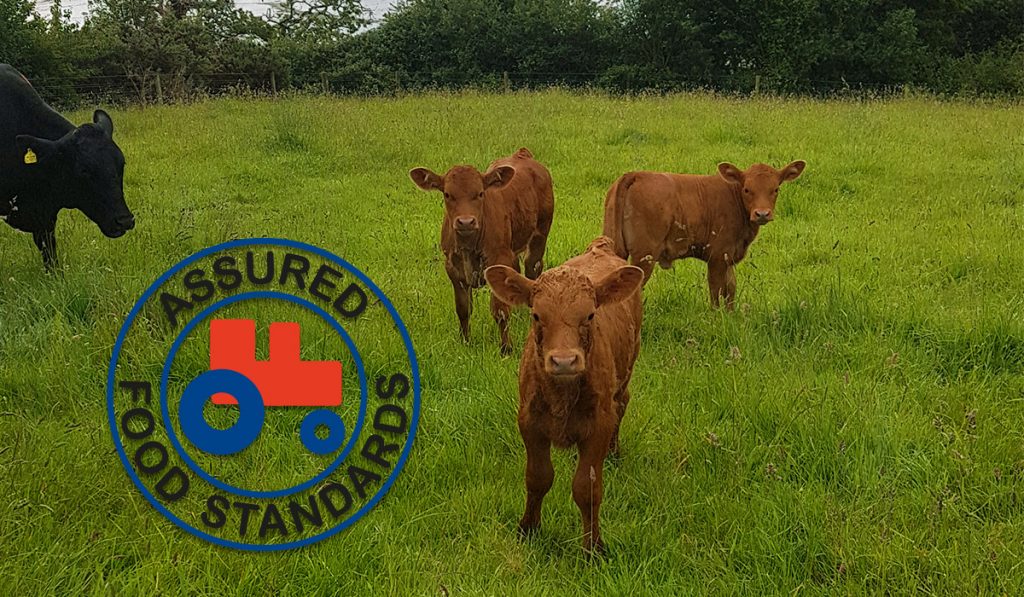
Woodhouse Farm is proud to be affiliated to the Red Tractor scheme which, in its own words, ensures that produce is ‘traceable, safe and farmed with care’. Red Tractor is the UK’s largest food standards scheme, carrying out over 60,000 inspections per year to safeguard animal welfare, monitor water stewardship and minimize the use of pesticides and fertilizers in the best interests of wildlife and the environment.

Woodhouse Farm Red Tractor - Cow & Calves